Skip to content


Getting someone to click your ad, email, or search result feels like a win. But in reality, it is only the beginning. Many businesses spend months improving SEO, running Google Ads, or creating social media campaigns. Traffic increases, reports look promising, and click-through rates improve. Then they check their leads and sales, and the numbers tell a different story. This is exactly why conversion rate optimization services have become a core part of digital marketing in 2026.
Traffic alone does not grow a business. What matters is what visitors experience after they arrive on your website. That is where decisions are made, trust is built, and conversions either happen or quietly disappear. If marketing campaigns are the engine, your website is the road. Even the fastest car cannot go far if the road is full of potholes.
The Click Is Only the Start
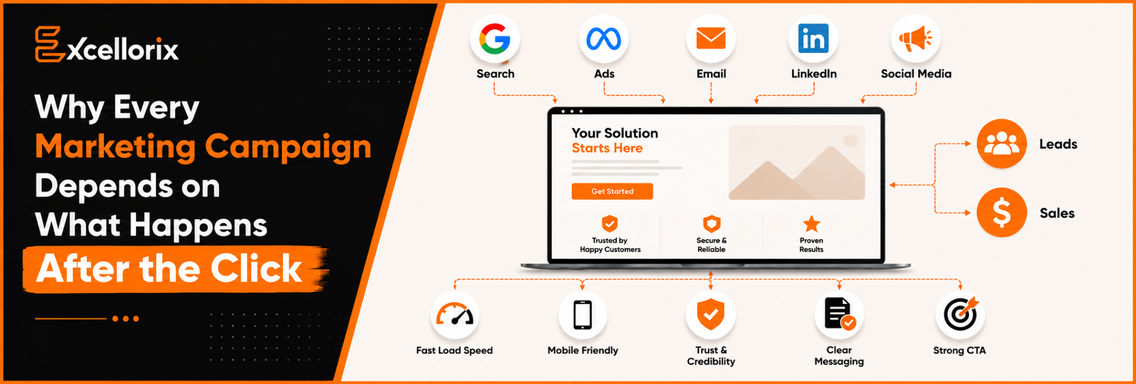
Every marketing channel has one job: bring qualified visitors to your website. Whether someone finds you through Google Search, a Meta ad, an email campaign, or LinkedIn, they all end up in the same place. Your website now has to continue the conversation your marketing started. This is where post-click optimization becomes important.
Visitors expect to find exactly what they were promised. If an ad talks about a free consultation but the landing page is confusing, filled with distractions, or takes forever to load, trust disappears within seconds.
The marketing campaign did its job. The website did not. Many businesses blame their ads when conversions fall. Sometimes the real problem is hiding on the page visitors land on.
Why Marketing Campaigns Often Underperform
Poor results rarely happen because of one major mistake. They usually come from several small problems working together. Some of the most common issues include:
- Slow page speed
- Weak headlines
- Generic messaging
- Complicated forms
- Poor mobile experience
- Unclear calls to action
- Missing trust signals like reviews or testimonials
None of these seem dramatic on their own. Together, they quietly reduce conversions every single day. Imagine inviting people into a beautifully designed store only to lock half the entrance doors. That is what many websites unintentionally do.
Instead of spending more money on advertising, it often makes more sense to fix these hidden barriers first.
Why a Website Conversion Audit Matters
Before changing your website, you need to understand what is actually preventing visitors from taking action. A website conversion audit looks beyond traffic numbers. It helps identify where visitors hesitate, where they leave, and what stops them from becoming customers. A professional audit usually reviews:
- User journey from landing page to conversion
- Page speed and mobile usability
- Navigation and content hierarchy
- Form completion rates
- Calls to action
- Trust elements
- Analytics and conversion tracking
Rather than guessing, businesses can make improvements based on real user behavior. That leads to smarter decisions and better long-term results.
Build a Conversion Optimization Strategy Instead of Guessing
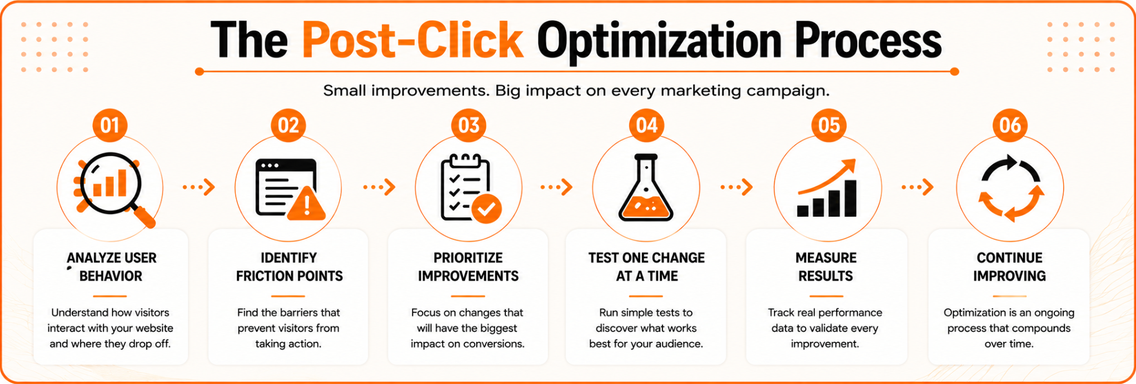
Many companies redesign websites because they think something “looks outdated.” Looks are important, but performance matters more. A good conversion optimization strategy starts with research instead of assumptions. A simple framework looks like this:
- Analyze user behavior.
- Identify friction points.
- Prioritize improvements.
- Test one change at a time.
- Measure results.
- Continue improving.
This process creates consistent growth because every improvement is supported by data instead of opinions. The goal is not to make a prettier website. The goal is to make it easier for customers to say yes.
How Conversion Rate Optimization Improves Every Marketing Channel
One of the biggest misconceptions is that CRO only benefits websites. In reality, every marketing channel becomes more effective when your website converts better. When your website is optimized, SEO traffic generates more enquiries because visitors find exactly what they were searching for. Google Ads campaigns become more profitable because more clicks turn into leads instead of bouncing away. Meta Ads perform better because the landing page continues the conversation that started in the ad. The same applies to email marketing, social media, referral traffic, and even direct visitors. Every marketing effort benefits when the post-click experience is simple, relevant, and trustworthy. Instead of constantly chasing more traffic, businesses can often achieve better results by improving what already exists. A small increase in conversions across every channel usually delivers a much stronger return than simply increasing your advertising budget.
What Success Looks Like in 2026
Marketing is changing quickly. AI can generate campaigns, automate bidding, and personalize content. Search engines are introducing AI Overviews, and customer expectations continue to grow. One thing has not changed. People still want fast websites, clear messaging, and confidence before making a decision. The businesses seeing the strongest growth are not always the ones spending the most on marketing. They are the ones removing friction after the click. That is why CRO has shifted from being a “nice-to-have” service to an essential part of every digital marketing strategy.
Final Thoughts
Every marketing campaign eventually leads someone to your website. What happens next determines whether your investment creates revenue or simply another dashboard full of clicks. Instead of asking, “How can we get more traffic?” ask a better question. “How can we help more of our existing visitors become customers?” That shift in thinking often produces bigger results than increasing your marketing budget.
At Excellorix, we’ve seen that the most successful marketing campaigns don’t rely on traffic alone. They combine strong acquisition strategies with continuous website improvements, making it easier for visitors to trust your business and take action. If your website is attracting visitors but not generating the leads or sales you expect, now is the time to look beyond the click. A structured approach to conversion rate optimization services can help uncover hidden friction, improve the user experience, and turn more of your existing traffic into measurable business growth.
Schedule a free strategy call with Excellorix to discover where your website is losing potential customers and learn how a tailored optimization plan can help every marketing campaign deliver stronger results.
FAQs
What is post-click optimization?
Post-click optimization is the process of improving everything visitors experience after clicking an ad, email, or search result. This includes landing pages, forms, page speed, messaging, and calls to action.
What is included in a website conversion audit?
A website conversion audit reviews user behavior, page performance, navigation, conversion paths, mobile experience, forms, trust signals, and analytics to identify why visitors are not converting.
Why should I optimize my website before increasing my marketing budget?
If your website has conversion issues, increasing ad spend often sends more visitors into the same problems. Improving conversions first usually delivers a better return on your existing marketing investment.